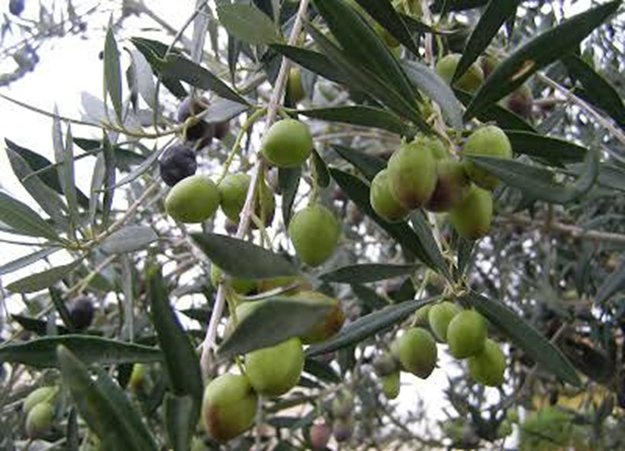
We live in a gifted place, the environment of which gives some special characteristics to the products it produces.
Greece has the most suitable climatic and soil conditions for the flourishing of olive trees compared to any other country. The elements that help in the best production of olive oil are the temperate climate, the warm Mediterranean Sun, the mild winter and the relief of the soil.
Olive tree! Symbol of peace, wisdom, fertility, prosperity, euphoria, luck, victory. Its fruit nourishes, preserves, protects, stimulates, heals, inspires. The olive tree is considered a blessed tree. Its fruit is eaten, or after processing, olive oil is produced. Its leaves are made into a decoction and animal feed. Its wood is used as fuel and in woodcarving.
A gift of nature, a living heritage, in many areas of our lives. Its place in the history and mythology of the peoples of the Mediterranean is justified.
It is worth getting to know and learn about the invaluable value of the olive tree, in nutrition, in health, in culture.
All of the above is the reason that inspires us with moderate optimism for our venture. We dare, finally, to realize what we have learned and loved, growing up next to our grandparents. To cultivate healthy olive trees and produce natural olive oil.
The way olive trees are cultivated and utilized today differs in almost no way from that of antiquity, it has simply been enriched with tools and methods that our culture and science impose.
The olive tree is an evergreen tree and for millennia, it has protected the soil from erosion and desertification, while at the same time providing food for people and beautifying the place. We owe it our good treatment and its perpetuation, so that it can continue to protect us and offer us its precious goodies.
The olive tree has been cultivated and developed for thousands of years in our region, with the tradition of dozens of generations and several cultures that have passed, flourished and left their mark on the history and tradition of our land.
In our area, ideal conditions prevail for the olive tree to thrive. The relief, the orientation, the winds and the sunshine, favor its cultivation, for the harvest of excellent fruits.
We cultivate our olive trees and they thrive in fields around the foothills of Acrocorinth and in the wider area, overlooking the historic castle. They have been growing continuously in recent years, with the utmost care for the protection of the environment.
Cultivation and harvesting with wisdom and love, highlights every year, the special flavors, from the qualitative characteristics and the unique aromas of our region. Always with respect for the environment and biodiversity, through cold oil extraction, we are blessed with high quality, extra virgin olive oils.
The combination of specialization and strict scientific principles helps us control every production phase of our olive fruit and constantly seek new methods and tools for cultivation and harvesting.
The olive tree, until the age of 7, does not produce olive fruit.
From the age of 7 to 15, it begins to produce olive fruit.
At the age of 30 to 70, it reaches its full development and can exceed more than 1,000 years of life!
The cultivation method: pruning, watering (when necessary), weeding, plowing, milling, sprinkling with non-chemical preparations, natural fertilization, etc., the time periods that we choose to carry out these operations, as well as the start of the harvest. They play a decisive role – adapted to the location and type of each olive grove – which, through the experience and family secrets of years, contribute to the excellent combination of true purity and exquisite taste.
The principles that relate to the practices, methods and techniques we use to cultivate our olive groves are:
a) Minimizing soil disturbance, for continuous and feedback-based improvement of its fertility, with the aim of its sustainability.
b) Balanced nutrition and plant protection, with the absolutely necessary interventions, with priority given to biological treatment. In order to ensure minimal environmental impact, gentle growth of the olive trees and excellent quality of the final product (olive fruit, olive oil).
c) The reasonably, balanced irrigation of olive trees, according to their needs, so as to simultaneously ensure the rational management of water resources.
d) The minimization generally of negative impacts on the environment from agricultural activities related to the production of our products (pollutant management, e.g. recycling of mineral oil accumulators, etc.).
e) Preservation of natural turf, during spring and autumn
World Soil Day, established by the UN a few years ago and celebrated on December 5, reminds to all of us that our survival depends directly on the health of the soil. A natural resource that is regenerated very slowly, but is lost at a very high rate. A resource that hosts rich biodiversity and needs our systematic care.
We are targeting cultivation practices that have to do with carbon sequestration and soil improvement. Practices that have faded over the years are coming back to the fore. Such as sowing legumes and/or forage plants. With these practices, even greater CO2 sequestration from the soil is ensured, as well as its enrichment with nitrogen and organic matter, which indirectly contributes to the reduction of CO2 emissions, due to the limitation of the use of inorganic fertilizers. Which is partially offset by the dispersion of pruning residues in the olive groves. Protecting the soil and improving its structure and fertility.
The cultivation of our olive trees is well adapted to the limited rainfall of our region. It is based on the rational use of water, soil conditioners and plant protection.
This results in the formation of a large root system, which allows the transfer of important nutrients from the soil to the olive tree and the olive fruit.
Organic farming is a gentle method of producing agricultural products that are more delicious and healthier than conventional farming. During production, no synthetic – chemical fertilizers, insecticides, herbicides and hormones have been used for the cultivation of olive trees for the intensification of the cultivation. The complete absence of fertilizers and pesticides creates a more natural, healthier and more nutritious result and naturally contributes to their gentle growth.
Biological organic soil conditioners are 100% organic natural products. For this reason, we consider them the most suitable for application to our olive trees. Ensuring the expected results in our philosophy and sensitivities.
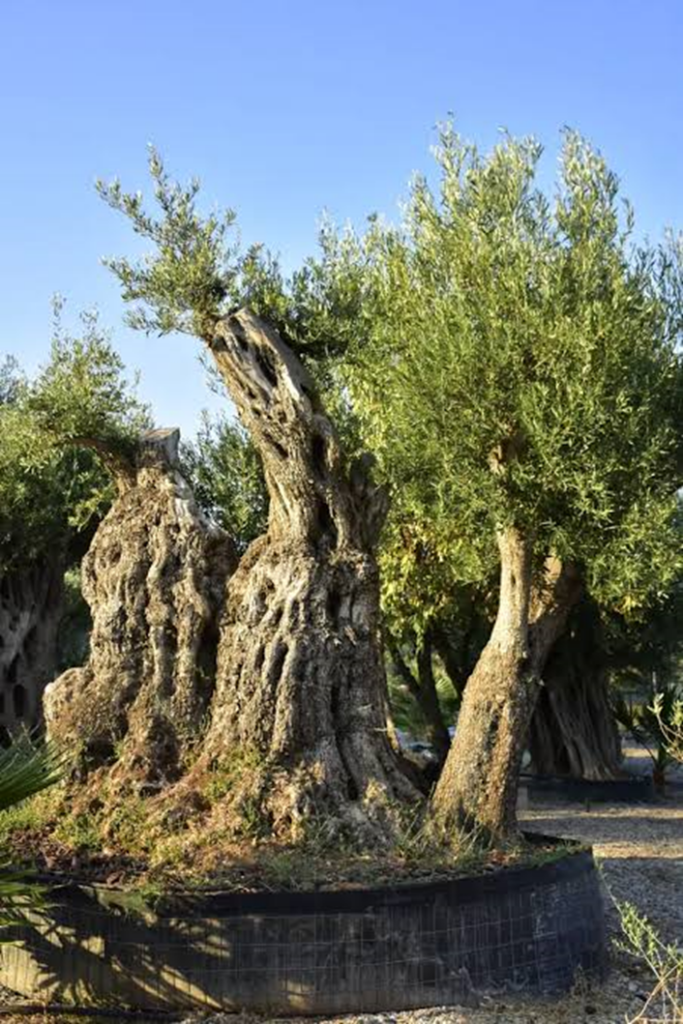
We create our quality olive oils and care for the biodiversity of our olive groves, providing and ensuring them:
A) High nutritional value, with higher concentrations of proteins, vitamins, trace elements, minerals and enzymes. Higher amounts of antioxidants, polyphenols that protect against diseases such as cancer, cardiovascular diseases, skin diseases and allergies, etc.
B) Better taste, keeping its natural composition, nutrients, vitamins, etc. intact, offering a quality, authentic taste with aromas, bitter and spicy.
C) Protection of the natural environment, the soil, the subsoil, the atmosphere and ourselves, the growers. Above all, there is no accumulation of harmful toxic substances in the soil, which are then fed back through the water back into the environment.
D) Quality in cultivation, with upgraded soil fertility. Enriching depleted and washed-out soils, with the application of slow-release organic nutrients, for more robust and non-intensive olive trees.
In addition, we compost, pruning by-products and leaves from the harvest (they are not burned), returning to our olive groves.
Pruning requires technical skill and experience, adapted to the different reactions of trees, which are due to cultivation practices, but also to unstable climatic and soil conditions, even in the same olive grove.
The technique and strategy of pruning provide many alternative options in shaping olive trees.
In pruning of our own olive trees, we apply modern practices, characterized by gentle intervention in their load, expecting better and higher quality fruiting.
The pruning we carry out aims to: renew the productive branches, remove dry, injured and tired branches, maintain the skeletal structure, support vegetative growth and keep the dimensions of the olive tree low. With this logic, we ensure lighting and ventilation within the crown and satisfactorily renew the photosynthetic surface.
Our pruning method is not based on purely economically criteria, but solely on the highest quality fruiting and oil production.
If the olive tree is left unpruned for a period of several years, we will have excessive aging of the fruit-bearing surface and shading inside the crown.
With excessive pruning, we will have lengthening of the non-productive period and vegetation of the woody branches.
We have adopted the minimum annual pruning to help the normal behavior (not over-intensification), but also the gentle reproductive biology of the olive tree.
We identify the wooden skeleton of the olive tree, which consists of the trunk, the primary, secondary and tertiary branches and then the woody, fruit-bearing and exhausted branches.
We maintain the secondary and tertiary branches, while the small fruiting branches are thinned or pruned. We intensify and stimulate the fruiting surface, with numerous small cuts, in the fruiting zone of the branch. We bring the branches closer, to bring the fruiting surface closer to the center of the olive tree. We eliminate the tired parts of the branches, we maintain the production branches, to assist the development of new buds, vegetative or fruiting.
We maintain the leaf surface, so as to assist the production of sufficient photosynthetic substances and to balance the root-crown relationship. We aim for uniformity, satisfactory lighting and the renewal of fruit-bearing shoots. The dense-high part of the crown is thinned out so as not to block a large part of the solar radiation, creating shade on the low branches.
To compensate for the natural tendency of self-fertilization, we intervene gently after a satisfactory harvest and more intensely after a poor harvest.
We still pick the fruit, just like our grandparents did. We take care that neither the fruit nor the tree is damaged. The harvest is done by hand, climbing the trees and using electric rods to carefully shake the branches. We collect the fruit when it is light green, before it starts to turn purple. The process begins in early October. It takes about four weeks until the fruit is collected from all the olive trees.
We do not prune during the harvest.
We use small, ventilated plastic crates to transport the fruit to the oil mill on the same day of harvest. The fruit remains fresh, does not deteriorate, preserving all its properties and trace elements, essential for its oil extraction.
The fruit is not injured, it is not mashed, by the steps of the olive workers, it is collected fresh and clean. For the harvesting and concentration of the fruit, common plastic olive cloths, which are laid on the ground around the olive tree, are not used. Instead, we use the spider olive cloth. The fruit is led from the branches, directly to the boxes, without dragging on the ground.
At constant low temperatures, we transport the olive fruit in boxes that are ventilated and free of plasticizers. The boxed fruit is not exposed to sunlight and temperatures above 25°C.
One of the keys to achieving the best oil extraction results is the appropriate harvest period for the olive fruit, as well as the time it is transported and stored in the olive mill.
Delayed harvest results in a reduced fruit load due to their natural fall from the tree, exposure to insects harmful to the fruit, as well as reduced levels of polyphenols and other minor components important for the quality and shelf life of the olive oil.
We extract the olive oil on the same day in excellent oil extraction conditions (cold pressing below 25 degrees). Immediately afterwards we filter it with paper filters to maintain the high quality of the olive oil. We preserve its characteristics and aromas by storing it in stainless steel tanks and an ideal temperature environment.
The olive oil mill meets world-class standards: innovative design, fully automated production, low energy consumption and complete control of all aspects and stages of oil extraction.
We exclusively use the cold-pressing method to ensure the nutritional values, as well as the flavor and aroma, in the olive pulp.
The olive fruit is milled on the day of harvest, at low temperatures (below 25 degrees Celsius). In modern crushers, so that the olive pulp retains all the characteristics that the fruit has gained from the, – with our own calculation – wisdom, cultivation and harvesting of our olive trees. It then remains in the soft-shelled turtle for a maximum of 30 minutes for each batch.
Then the olive pulp is fed into the two-phase separator, without the addition of water, only with the water of the fruit – which in normal weather conditions is approximately 40% – 70%. The olive oil is separated, preserving to the greatest possible extent the organoleptic characteristics that a place can provide, in combination with the microclimate.
We lose quantity of this way, but we gain excellent quality.
After oil extraction, we store our olive oils, at controlled temperatures, in stainless steel tanks, away from sunlight places.
We promote sustainable agriculture as a means of addressing climate change through the integrated management of our olive groves. And through careful study of technical and strategic analyses, we select processes and tools to maximize the quality of our oil extractions.
We contribute to sustainable agriculture, to our profitability and to the supply of products of high environmental quality:
a). By implementing and maintaining an environmental management system in all our olive groves.
b) Continuously improving the environmental management system, so that the negative impacts on the environment from our farming activities tend to a minimum.
c). We identify and update procedures that have an impact on environmental pollution, taking appropriate measures to prevent pollution.
d). We are immediately informed of the current Greek and European Community environmental legislation, the regulations related to our activities, the Codes of Good Agricultural Practice and we comply with them.
The varieties we cultivate:
Manaki is a variety of olive tree that is cultivated mainly in our region (Corinthia, Argolis) in the Peloponnese. The olive oil produced is considered one of the best and most recognizable Greek olive oils. Its distinctive sweetness, rich flavor and mild texture give it an excellent aroma when used in cooking.
Koroneiki is the olive tree variety with the smallest fruit. It produces one of the most recognized and awarded types of olive fruit.
Its golden-green olive oil is distinguished by its unique organoleptic ingredients, its high nutritional value and its explosive fruity aroma, characterized as soft, juicy and refreshing.
In its culinary use, it offers an unparalleled deliciousness and fresh flavor.
It stands out for its flavor characteristics, its golden-green color and its non-existent acidity. For its high content of oleic acid and polyphenols and its hidden aromas in the nose and mouth.