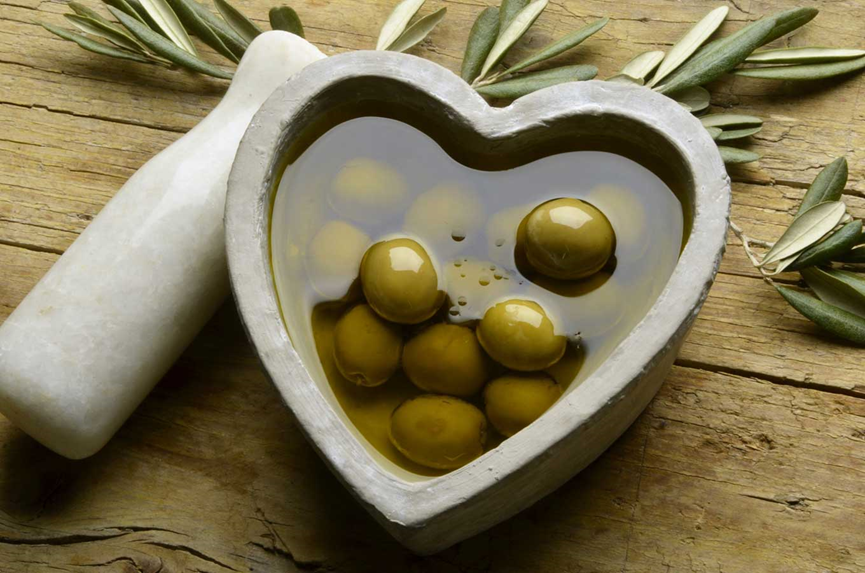
Olive oil, which Hippocrates considered a great therapeutic agent, thousands of years later, is confirmed by continuous medical and nutritional studies.
Olive oil nourishes, preserves, protects, stimulates, heals, inspires.
This precious gift of nature is beneficial for the soul and spirit and is an elixir of health and longevity.
Olive oil is simply the oil extracted from the fruit of the olive tree. However, there are several grades of olive oil. What are the differences?
Extra virgin olive oil: is the oiled juice of the olive fruit, without additives, chemical or thermal treatment and therefore, is a natural product. To be classified as “extra virgin”, it must be free from defects. This means that it should not have a muddy, musty or rancid taste or smell. It must meet certain standards in terms of freshness and flavor, in terms of aromas, bitterness and spiciness. In addition, it must have specific chemical properties, such as acidity, less than 0.8%. This type of olive oil has high levels of antioxidants, which offer the most nutritional benefits and is also the most delicious.
Virgin olive oil: has higher acidity (up to 2%), lower levels of nutrients and some defects that affect its aroma and taste, which may have arisen due to poor oil extraction, overripe fruit or delays in milling. It is therefore of lower quality than extra virgin olive oil. It also has a lighter taste and smell compared to most extra virgin olive oils, due to their lower antioxidants.
Refined olive oil: is virgin olive oil, which due to many defects, is unfit for human consumption and is subjected to physical or more often, chemical treatment, to remove the defects and make it edible. Chemical treatment is done with solvents, such as sodium hydroxide and exposure to high temperatures. Depending on its quality, we apply additional processing methods in order to produce olive oil that is colorless, tasteless and odorless. As a result, we have virgin olive oil, without the initial defects but also with the loss of its important nutritional and antioxidant elements.
Olive oil: is a blend of refined olive oil (explained above) and virgin olive oil. It is usually about 90% refined oil and 10% virgin olive oil. In fact, virgin olive oil is added to refined oil to provide some flavor and color. The resulting blend is often labeled as light olive oil, extra light olive oil, or pure olive oil. Since it is primarily made up of refined olive oil, this type of olive oil is also mostly bland and tasteless and lacks nutrients and antioxidants.
Olive pomace oil : is made from olive pomace (the broken kernel and flesh from the olive fruit) that is intensively processed, using chemical solvents and heating, to make it at least suitable for human consumption. The methods used to make olive pomace oil can lead to the formation of harmful substances that contribute to carcinogenesis. In reality, olive pomace oil is not considered olive oil at all. However, legally it is recognized as olive oil.

In the past, about sixty years ago, after the olive fruit was crushed, the olive paste (stone and flesh) was placed in thick sacks (mutafias) and pressed with a manual press to produce olive oil. This was the olive oil from the “first pressing”, which gave the best quality.
The remaining pulp was then transferred to large containers and mixed with hot water and pressed again to produce more olive oil. The oil that came from this “second pressing” was inferior to the first. Many nutrients and flavors were removed due to the strong presence of water.
Modern oil extraction methods use separators that extract – separate – the olive oil from the oil mass only once. Any residue that remains cannot be used for a second treatment – centrifugation. In fact, the residue is used to produce pomace oil, explained above, which is devoid of nutrients, potentially harmful and is not considered olive oil at all.
Cold processing refers to the idea that the temperature does not exceed 80.6°F (27°C) during the crushing and kneading of the olive fruit. This upper limit applies to both virgin and extra virgin olive oil, as defined by the International Olive Oil Council (IOOC). Higher temperatures degrade the olive oil, reducing its flavors and nutrients.
However, increasing the temperature above these limits increases the amount of olive oil produced from a given amount of olive fruit. Consequently, producers sometimes try to exceed the temperature limits in order to produce more olive oil and reduce their costs. By violating the temperature limits, they no longer produce virgin or extra virgin olive oil, as described by international standards.
Because of the lighter flavor of virgin olive oil compared to extra virgin olive oils, recipes sometimes recommend using virgin olive oil for cooking and baking to ensure the flavors of the food are not overpowered by the intensity of extra virgin olive oils. In other cases, they recommend using refined olive oils because they are lighter – but they lack the nutrients and antioxidants.
We will mention a few tasting secrets, so that you can enjoy and distinguish the truly good olive oil of your choice and be able to identify, to a certain extent, its quality characteristics:
Put about 15ml of olive oil in a small, empty glass. Hold the glass of olive oil up to the light to observe its fluidity and color. Before shaking, cup the glass with your hand to increase the temperature of the olive oil and release its aromas. With the other hand, close the opening of the glass to trap the aromas inside. Smell the olive oil, taking deep breaths, to perceive each of its notes of fragrance and aroma.
Take a first sip and hold it in your mouth for at least 20 seconds. Move your tongue towards the roof of your mouth and then horizontally. Inhale strongly and sharply through your mouth, so that the olive oil spreads across the entire surface of your tongue. Hold it for a moment, inhaling through your mouth and exhaling through your nose. At this stage, you will evaluate its flavors, such as the intense aroma of freshly cut grass, which characterizes a fresh olive oil.
The passage of olive oil through the palate reveals whether it is fresh or old, genuine or adulterated. A fresh olive oil comes from an early harvest, which yields an olive oil that “tickles” the palate, with characteristic, spicy flavors. When tasting more than one olive oil, intersperse slices of green apple or small pieces of white bread when switching from one olive oil to another.
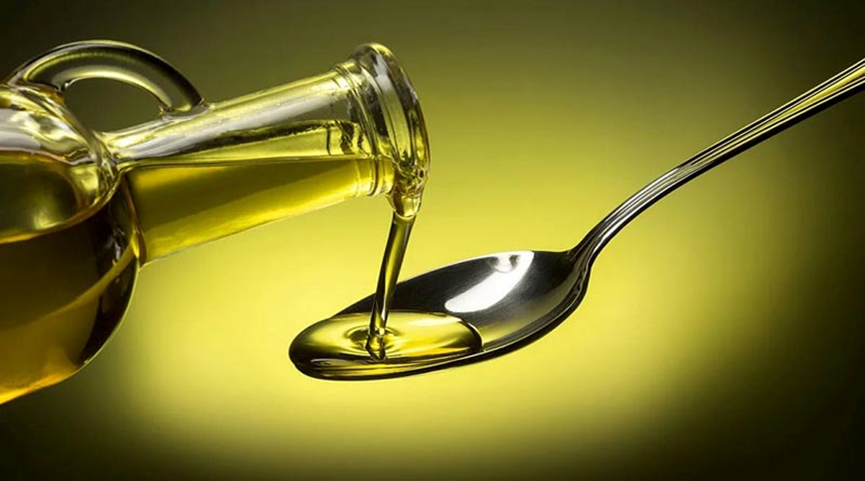
Olive oil must be kept in a well-closed container and not come into contact with oxygen. Olive oil must not be exposed to light, it must be stored in a place free from humidity and with small temperature fluctuations (16-18°C). Under ideal conditions, olive oil is perfectly preserved for at least 18 months.
Once the package is opened, it is recommended that olive oil be consumed within the shortest possible time. For this reason, it is preferable to choose small packages to avoid the physical deterioration of the product that occurs after opening the package.
Extra virgin olive oil remains fascinating in every use, in cooking or confectionery. Ideally, you will enjoy it raw, next to also fine flavors, which will not overshadow its aromas and taste. It will give the greatest pleasure to a dish, with vegetables (raw, boiled or even fried), on a fresh fish, on white cheeses or on freshly baked bread.
Legumes are also a harmonious combination, with great nutritional value. In general, in oily foods, the shorter cooking time of olive oil and the low temperature preserve its nutritional value. It is even better to add it raw, to your already served food.
In salads, olive oil becomes the most gentle and healthy dressing. If you don’t want to miss out on gourmet dressings or dips, remember that olive oil is the best base for them, because it highlights the other ingredients and gives a wonderful texture.
Extra virgin olive oil is a completely versatile food seasoning, as it is suitable for dips and salad dressings, as well as for baking, sautéing and frying vegetables.
However, there are some cooking errors that are passed down from generation to generation, without any documentation, regarding the use of extra virgin olive oil in cooking:
- Extra virgin olive oil loses its nutritional properties when heated, and it has become common practice to use it only for salad dressings and dips, or to use virgin olive oil for cooking, since this is less expensive.
- Heating extra virgin olive oil does not cause a loss of nutrients. When cooking with extra virgin olive oil, you get the same health benefits as eating it raw, such as in a salad. The aromas and flavors of extra virgin olive oil enhance the quality of the dishes in which it is used.
- Do not fry with extra virgin olive oil because it spoils.
- Extra virgin olive oil is actually the ideal oil for sautéing and frying.
Fats are characterized by their smoke point temperature and spoilage temperature. In extra virgin olive oil, the smoke point temperature is lower than the spoilage temperature.
When frying, when the olive oil starts to smoke, we reduce the intensity of the heat eye, so that the temperature does not rise and reach the spoilage temperature. Therefore, our food is not fried in spoiled olive oil. When frying, with any other oil, the limit values of smoke and spoilage temperatures are reversed – these oils have spoiled before they start to smoke.
The smoke point of olive oil is 410°F (210°C), well above the 355°F (180°C), which is the best temperature for frying. Furthermore, the better the quality of the olive oil (lower acidity), the higher the smoke point. The chemical composition of extra virgin olive oil does not change due to frying at normal temperatures (below 200°C) and the oil does not lose its nutrients. Furthermore, extra virgin olive oil can be safely reused for frying four to five times.
Frying a food in extra virgin olive oil creates a protective outer crust that insulates the nutrients and flavors of the food, while preventing the olive oil from seeping into the food. This results in fried foods with higher nutrients and lower olive oil content, and therefore lower calories, than foods fried in other types of olive oil.
Extra virgin olive oil is a key component of the Mediterranean diet. Decades of research into its nutritional properties, which result from its high antioxidant and monounsaturated fat content, have given us a wealth of information about its benefits against aging and numerous health bad conditions. Ongoing research reveals new benefits almost daily.
The Mediterranean diet is known to reduce the risk of heart disease and cancer, high blood pressure, type 2 diabetes, Parkinson’s disease and Alzheimer’s disease. It also helps fight genetic decline and is successful as a weight loss method.
You will notice, by adopting the Mediterranean diet, that the benefits for our health overlap, to a large extent, with the benefits, for the health, of consuming extra virgin olive oil.
The Mediterranean food pyramid shows, a distribution of the basic foods of our diet, depending on how often, they should be consumed.
The “liquid gold” – extra virgin olive oil, is considered one of the best allies of our health, as:
It helps reduce “bad” cholesterol and increase “good”, thus eliminating the risk of heart disease.
It reduces blood pressure and helps treat hypertension.
It protects the cells of the body and skin from premature aging, fighting free radicals.
It protects cells from any damage and helps prevent various forms of cancer.
It contributes to the proper functioning of the brain and protects against damage to the central nervous system.
It complements breast milk, as it has the same glyceride composition and helps in the proper development of the nervous system of newborns.
It helps in the absorption of calcium in the bones, strengthens the digestive system, helps in better bowel function and prevents liver disorders.
Prevents the risk of rheumatoid arthritis.
Promotes proper metabolism, relieves insect bites, protects and inhibits the development of eczema, helps in the absorption of fat-soluble vitamins A, D, E, K and many more…
It reduces the risk of cardiovascular disease, including stroke, by lowering blood pressure, total cholesterol, low-density lipoprotein (LDL) cholesterol, and triglycerides. It reduces the risk of certain types of cancer. It helps control blood sugar levels and type 2 diabetes. It may reduce the risk of depression and improve cognitive function. It helps prevent Alzheimer’s disease. It may improve bone health and may reduce chronic inflammation, which is associated with many health conditions.
Heart
Triglycerides of monounsaturated acids have the property of controlling the level of LDL (bad cholesterol) and increasing the levels of HDL (good cholesterol). Already, the major nutritional studies, in the decades 1950-1960 (e.g. “The Seven Countries Study”), highlighted the Mediterranean diet as the most ideal, after the observation that the risk of death from coronary heart disease is much lower in the populations of the Mediterranean, whose daily dietary habits include, in large proportion, extra virgin olive oil.
Digestive system
Olive oil is the most easily digestible and assimilable fatty substance. It promotes the absorption of nutrients, especially vitamins and minerals, and also protects against gastritis and ulcers. It is the cholagogue substance that activates the secretion of pancreatic hormones and bile (much more naturally than drugs of this category) and therefore reduces the likelihood of cholelithiasis (formation of gallstones). At the same time, it has a mild hepatic effect.
Diabetes
A diet rich in olive oil prevents or slows down diabetes. Olive oil prevents insulin resistance and its possible dangerous consequences. It increases positive cholesterol, reduces blood glycerides and controls blood glucose levels.
Cancer
Cancer can occur more easily when there is a reduced intake of vitamins and antioxidants by our body, which olive oil generously provides. Also, epidemiological studies have proven that olive oil acts protectively against certain types of malignant tumors, such as breast, prostate, endometrial, digestive system, etc.
During pregnancy, it plays a crucial role in the development of the fetus, while during breastfeeding, it maintains high levels of vitamin E in breast milk.It protects the skin and helps prevent diseases such as acne, psoriasis and eczema.
Because it is a 100% natural product, completely free of chemical additives and with numerous valuable properties, it is a safe, hypoallergenic and environmentally friendly alternative to many commercial cosmetic, personal hygiene and cleaning products.
You can use extra virgin olive oil on any part of your body, just like you would any commercial moisturizer. It provides protection from dryness, replenishes moisture to your skin, and soothes itching. Use it after bathing to moisturize your body and rub it into dry areas, such as elbows, hands, knees, or feet.
Use it as a night cream and eye cream. If your skin is dry, apply olive oil to your face with a little cotton before going to bed and wake up with soft and supple skin.
Apply a few drops of olive oil to a cotton pad and wipe away your makeup. Wash with warm water and your skin will feel clean, soft and supple.
When your lips feel dry, apply a thin layer of olive oil, and you will prevent chapped lips. You can also use it before going to bed. In the morning, your lips will be soft and smooth.
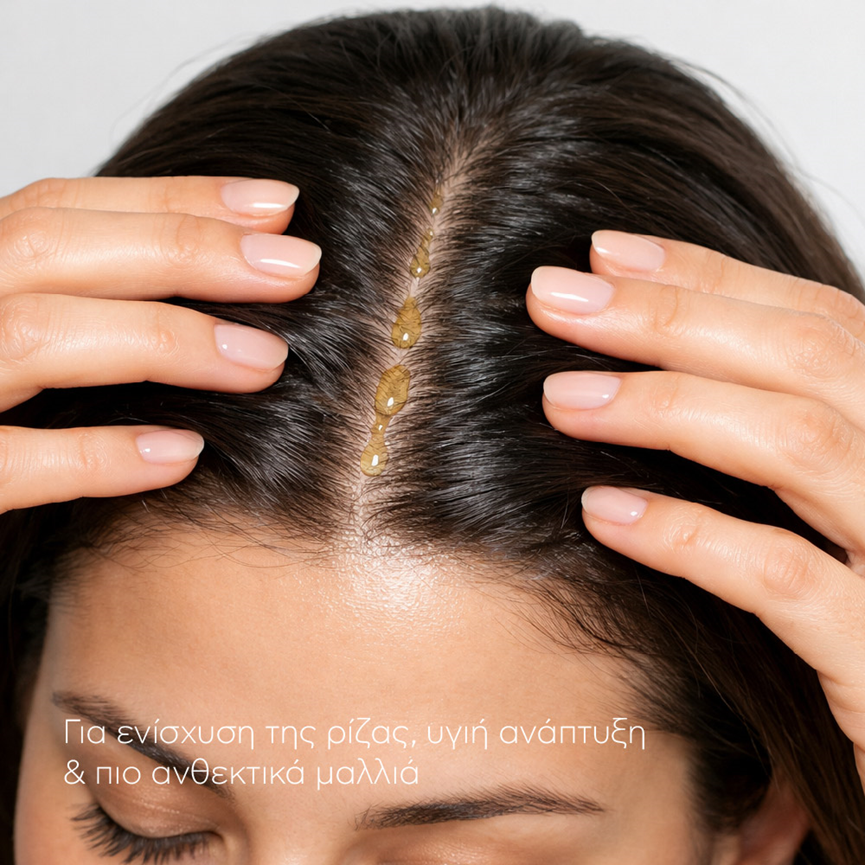
Apply half a cup of warm olive oil to your hair and then massage into both your hair and scalp. Wrap your hair in a warm towel, leave it on for an hour, and then shampoo. Your hair will gain shine and be protected from breakage. Additional benefits include preventing and treating dandruff.
Mix some olive oil with water to soak your hands and feet before a manicure and pedicure.
Calm, soothe your skin after waxing. Apply olive oil to the waxed areas and soothe any irritation.
A few drops of warm olive oil in the ear will relieve pain.
Relieve sore muscles and joint pain. The benefits of massage, for relieving sore muscles, are increased by the use of olive oil.
Stop snoring. Drink a teaspoon of olive oil before going to bed. This moisturizes the tissues at the back of the throat, reducing friction and allowing air to move freely and smoothly.
Remove lice. Apply olive oil to hair near the scalp and leave on for one to two hours. Use a very fine-toothed comb to remove lice and eggs. Then shampoo and dry (the hot air will kill any remaining eggs and prevent them from hatching).
A sip of olive oil every day, throughout the day, helps reduce coughing by naturally coating your throat.
Treat sunburn. Rub olive oil on the affected areas to soothe and heal the skin. (But note that it does not offer sun protection.)
Massage warm olive oil into your skin and leave it on. Repeat several times a week. Olive oil can also help prevent stretch marks.
Remove color from your skin or hair. Rub olive oil with a little sugar or salt onto your skin, let the mixture soak in for a few minutes and wash thoroughly with soap.
Pour a teaspoon of olive oil onto a soft cloth and apply to furniture. Leave it for a few minutes and then wipe with a clean cloth for a shiny appearance.